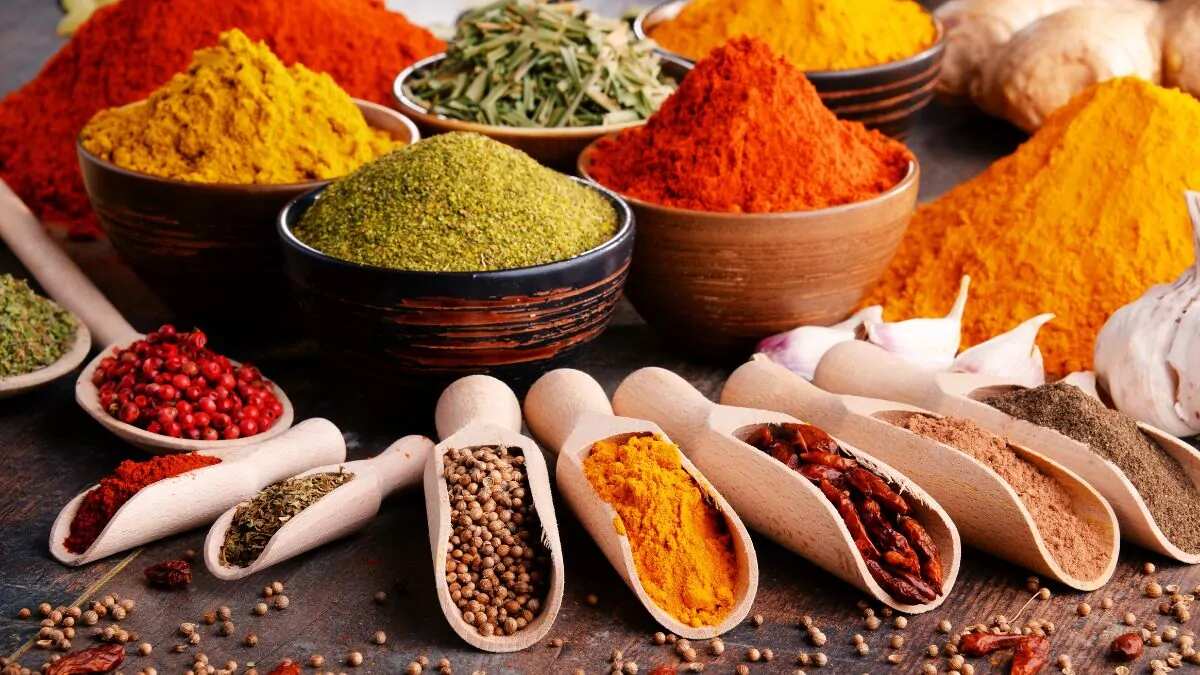

wc.Raegional spice blends lend a distinct personality to a culinary preparation that can neither be ignored or overlooked. Every person who cooks aims to create a culinary wonder that satiates not just hunger but also the senses. To this effect, having the right ingredients by your side can make all the difference, and this is where regional spice blends come in. When used with awareness, these powders can transform boring vegetables into a lively mélange, render the meat well-rounded, and make lentils more appetizing.
All regional spice blends originated in an era when technology was yet to create a refrigerator. People relied on readily available condiments to create rich flavors that stirred up an appetite and also acted as preservatives. Every region boasted of its own spice blend, created by mixing the local produce in specific ratios. Such was their character that increasing/decreasing the quantity of a single ingredient could totally alter the impact of the blend. That is why cooks in the yesteryears treated regional spice blends as families and tweaked them to create their own unique signature taste.
In the present day, cooking with regional spice blends requires knowledge in terms of how it would alter the outcome. Once you figure out the character of the spice blend, the next step of how to use and how much to use comes naturally.
Popular Regional Spice Blends
Despite being regional, some spice blends enjoy global popularity owing to making their presence felt regardless of the nature of the culinary spread. Check out each of them before deciding whether or not they fit into your personal style of cooking –
Garam Masala
Hailing from the Indian subcontinent, this regional spice blend consists of multiple spices, all of which are roasted and ground proportionately. ‘Garam’ translates to hot, and ‘Masala’ means spice, and together the two words indicate a hot spice. True to its name, it adds warmth to South Asian dishes, and exudes a strong aroma which fills the dining space.
There are about 7-8 individual spices that make a typical garam masala. However, variations exist across the region, wherein spices like mace, bay leaves or fennel seeds might be added to bring about a subtle twist. Stir in this spice blend a few minutes before serving because that is when its fragrance is at its peak and simply fills the senses.
Cajun Seasoning
Originally from Louisiana, USA, this fiery spice blend is the perfect option to rev up any seafood preparation, or add an interesting twist to a potato dish. Much of its hotness stems from the different varieties of pepper that are ground together, namely cayenne, and the black and white pepper powder. Paprika lends a subtle sweet touch, while garlic and herbs tone down the intensity by a notch.
This is one of the most effective regional spice blends for preparing spicy chicken. However, it does tend to dominate and can mask the more delicate flavors, which is why you must exercise prudence while using it. Stews, soups and meat benefit from a generous dose, while grilling/baking fish requires no more than a single light coat.
Za’atar
Not all regional spice blends need to be cooked with ingredients in order to make their presence felt. There are some which impact the outcome when sprinkled as a garnish and being visible. Za’atar is one of the regional spice blends that is based on thyme and never fails to impress courtesy of its bright presence and delectable fragrance. Apart from thyme, this Middle-Eastern spicy blend consists of other herbs like oregano. Sesame seeds render it crunchy while salt completes the list by bringing out all other flavors.
The actual game-changer in this spice blend is sumac, which carries a citrusy touch. Suman berries, when ground into a powder and blended with other seasonings, impart a distinct tangy flavor which complements herbs and sesame. Given its mild savory character, Za’atar emerges as a perfect choice for visually enlivening salads, tweaking traditional beverages, and fortifying dips such as hummus.
Ras al Hanout
As one of the regional spice blends that varies as per the personal preference of the maker, Ras al Hanout represents an identity in itself. Although mostly associated with Morrocco, this spice blend forms an integral part of North African cuisine. The name itself translates to ‘head of the shop’ or ‘top shelf’, indicating its dominance as a seasoning not just in the region but all over the world.
Surprisingly, this spice blend does not come with a sacrosanct list of ingredients. So, while buying one for your kitchen, check the ingredients and gauge the flavor they might impart. For meat dishes, opt for an intense paprika-based combination. Pick a floral version for soups or savory snacks, and a clove-heavy blend for breads. Mix the spice blend into the food while cooking, and brace yourself for the bold flavor that it lends to your culinary delight.
Herbs de Provence
In France, a popular culinary tradition advocates that any food that smells good will also taste just as good. Herbs de Provence satisfies this condition to the fullest, which explains its unquestionable presence and widespread usage. Just like other regional spice blends, this seasoning also arises from combining local produce, which in this case are Mediterranean herbs. Oregano, thyme and rosemary notwithstanding, sometimes unconventional ingredients like basil and lavender also find their way into the mix.
From spaghetti to roasts, this spice blend uplifts any dish through its appetizing flavor and aroma. Its impact is most felt when added to stir-fried summer vegetables, as it transforms the outcome into an interesting accompaniment to grilled/fried meat. As with regional spice blends, the rule of erring on the side of caution holds good with Herbs de Provence too, particularly if it contains basil or lavender. Adding too much might overpower the natural flavor, so sprinkle it in moderate amounts halfway through the cooking or while marinading.
Most Chinese dishes represent contrasting flavors, like sweet-and-sour, hot-and-sweet, and so on. Chinese five spice is one of the regional spice blends that adds all five flavors at once. So, any dish seasoned with this spice blend tastes sweet, sour, bitter, hot and earthy at the same time. When used sparingly, it can spike the flavor quotient of any dish, particularly meats. But if used too much, it can just as easily overwhelm the diner and kill the appetite.
Among the five spices, cinnamon accounts for a woody sweetness, while cloves lend a pungent touch. Sichuan pepper accounts for the intense heat, and star anise and fennel seeds complete the blend with their distinct taste.
Final Thoughts
Now that you are aware of popular regional spice blends, the next step entails figuring out how to put them to best possible use. Start by determining what the basic ingredient already has, and then decide which spice blend to use for seasoning. For example, lentils take on any flavor very easily, which is why a curry spice blend or garam masala would truly do it justice. For heavy meats like pork, opt for a warm intense mix, while citrusy blends bring out the best in salads and breads.
Bear in mind that some regional spice blends work best when used for marination, some release flavor during the cooking and some others should be added just before serving. Use this knowledge as a cook to ensure that the spice blend transforms the dish as expected rather than losing its flavor. Preferably mix them in oil before adding to the food to avoid excessive burning, which would kill the flavor.
At FSD International, we uphold the quality of spice powders to the point of not compromising at all. Therefore, the regional spice blends that we offer are pure, authentic and reminiscent of the region that they come from. Open a bottle and let the fragrance of freshly ground spices envelop you totally.