
Mention African cuisine, and the image of a diverse and colorful smorgasbord pops up instantly in your mind. What many people do not realize is that the term ‘African cuisine’ actually serves as an umbrella term. It includes many different tastes, styles and flavors that vary from one region to another. The expansive African landmass supports multiple ethnic groups that differ in terms of culture, traditions and eating habits. Owing to this diversity, every major region in Africa boasts of a cuisine which represents the unique palette of its inhabitants.
Take a closer look at African cuisine, and you are bound to spot a few defining trends. For example, while oils, tubers and grains form the backbone of African meals, what differs as per region is the variant or the type. To some extent, traditions influence what ingredients to use and which cooking technique to apply. But flexibility ensures that the culinary outcome satiates the senses while utilizing whatever is readily available and easily accessible.
To this effect, check out the following broad African cuisine categories in terms of their unique regional imprint –
North African Cuisine & Eating Habits
This region cover the south flank of the Mediterranean Sea. So, it shares flavors and staples with the northern shore of the water body. An ingredient that invariably finds its way into North African dishes is olive oil. People use it for preparing everyday delicacies, and also drizzle it liberally on cooked food before serving.

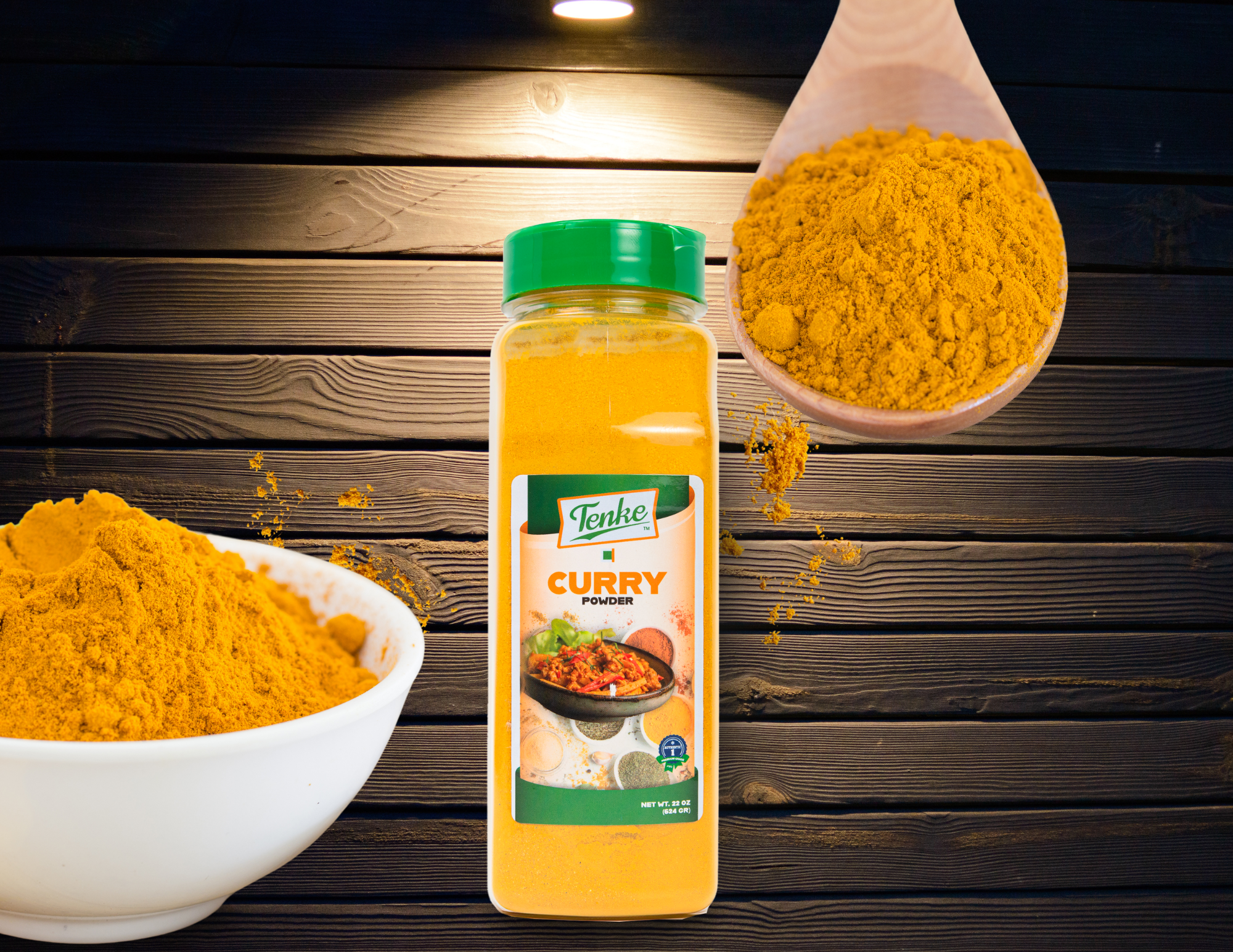
When you check out a typical North African culinary spread, brace yourself to be enveloped by a bold and fresh aroma. Much of the fragrance emanates from strong spices, such as cumin, coriander and cinnamon. Saffron and turmeric impart color, which enhances the visual appeal while lending an earthy vibe. Chili peppers like paprika render the culinary preparation hot and spicy. Lemon juice balances the strong spices with a citrusy touch. Given the spicy palette, such dishes pair well with bread, which forms an integral part of every North African meal.
After every meal, people enjoy sweets and sip mint tea. The sweet treats counter the spicy after-taste. In contrast, the beverage helps with digestion and provides a soothing closure to a sumptuous meal.
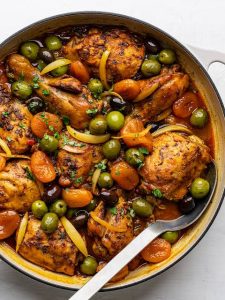
Popular highlights of North African cuisine include –
- Ras el Hanout, an outcome of multiple spices, each of which is powdered and blended to create a flavorful mix;
- Tagine, a typical African one-pot meal, in which different types of meat and dry-fruits are slow-cooked into a well-rounded stew;
- Harisa, a lentil soup with a dominant tomato flavor complemented with meat and spices;
- Causcaus, a combination of fluffy semolina balls and stew;
Overall, the rich and full-bodied North African spread represents a strong cultural lineage.
Culinary Culture in West African Countries
Join any gathering in a West African nation, and experience the hearty goodness of community meals. There would be a large platter filled to the brim with an ethnic delicacy, like jollof rice, and a number of side dishes. What renders this experience truly unique is that you and everyone else around you ear from the same platter. There is no concept of using individual plates. During the meal, conversation revolves around the folklore and cultural topics, and may even take an emotive turn.
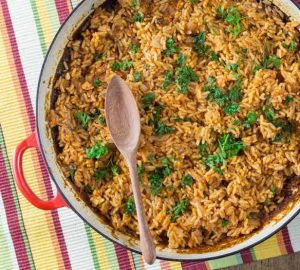
A typical meal in a West African country consists of a main dish accompanied by compatible side dishes. The center features a large pot of bright and spicy jollof rice, or a big bowl of Egusi soup. Another wholesome alternative is a soup made of a meat, which may be chicken, lamb, beef or any other variant. Egusi soup carries a distinct flavor of melon seeds. It is loaded with seasonal leafy greens, the meat stew sports a smooth texture courtesy of peanut butter.
Plantains form a delectable side dish whether grilled or fried, and so does starch-based fufu or eba. Chili peppers account for the flavor of the main dish, while tubers and plantain make their presence felt in form of various side dishes. Fresh tomatoes also feature prominently in West African cuisine. Often these form the base of sauces, which can then be used standalone or as a flavoring for a main dish.
Southern African Countries’ Cuisine
Unlike other African regions, Southern African countries receive a constant influx from Asia and Europe. As a result, this region exhibits a diverse cultural tapestry, which impacts its cooking methods and outcomes. So, southern African cuisine echoes a bit of every ethnic culture that has made this region its home. It uses the baking and slow-cooking methods that belong to Europe. Flavoring food with spices like cinnamon and turmeric indicates the Asian heritage, as do chutneys and jams.
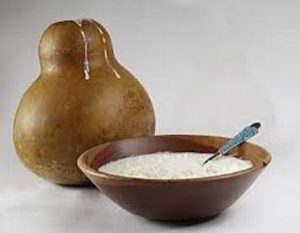
Meat remains an all-time favorite and is included in every meal in some form. Locally grown vegetables also find their way into the kitchen. Pumpkin, sweet potato and leafy greens often account for delectable side dishes that complement barbeques and stews. Among beverages, Amasi – fermented sour-tasting milk – is a local favorite and completes every traditional meal.

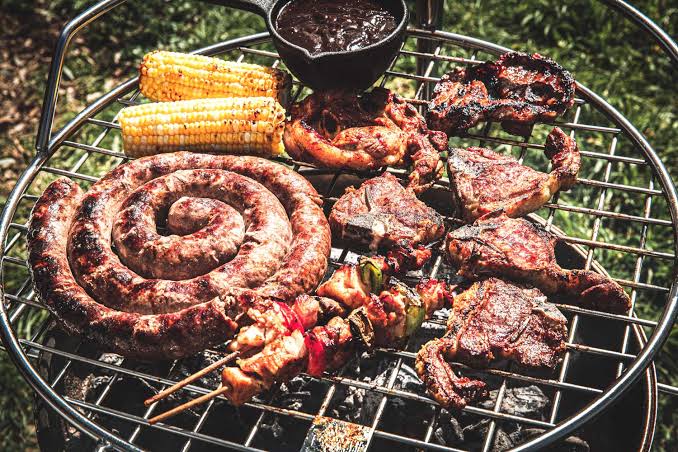
One of the signature attractions of Southern African cuisine is Braai, a traditional open-fire meat barbeque that forms the focal point of every gathering. Venture out onto the streets, and you are bound to come across Bunny Chow, a hollowed bread loaf filled with curry. Bobotie is a baked dish that consists of spicy minced meat topped with eggs and paired with rice. A staple meat variant in Southern African households is Biltong, which is basically meat that has been curated and dried so that it can last over several days.
Probably one of the few vegetarian dishes in Southern African cuisine is chakalaka, which is a spicy blend of beans, tomatoes and onions.
African Cuisine – Eastern Region
Cuisine in this particular region of Africa varies from one country to another, although some basic similarities still exist. For example, countries that occupy East Africa do not use much oil while cooking, and this sets the food apart from other African regions. Likewise, communities use food as an excuse to get together and connect, wherein the emphasis is on spending quality time together over light and multi-grained ethnic preparations.

A staple of Eastern African cuisine in Ethiopia is Injera, which is a sour and spongy flatbread, Tradition entails using the Injera as a plate and breaking it into smaller chunks to scoop up the lentil stew replete with different vegetables and meat. Stews form an integral part of Ethiopian meals, and are known as wats. Because they consist of multiple food groups, these are wholesome and filling.
In Uganda, Matoke stands out as a unique culinary preparation owing to using green bananas. It forms a part of the meal with Ugali, a cornmeal porridge, and a stew. Every meal is followed b a dessert named Mandazi, which is sweetened bread that reminds you of a doughnut.
East Africans use Berbere, a locally made spice, to flavor their food, along with ginger and garlic. Owing to Indian and Arab influence, they also use coconut milk, which explains the distinct taste which is unique to this region.
Central African Cuisine
Meals in Central African countries echo the ethos of cooking delicious food with whatever is locally available. Often the recipe being used is one that has been in the family for generations, and will continue to be preserved by the progeny. In this way, each successive generation upholds the culinary heritage, and in the process utilizes the local produce to concoct a nourishing meal.
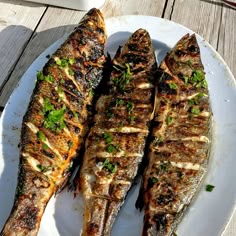
Like many other African countries, one-pot stew forms the staple in this region. The only difference that sets stews in Central African cuisine apart is the widespread use of peanuts to thicken the consistency. Also, fish features more prominently than meat owing to being bountiful in this part of the continent. When seasoned with spices and grilled over open fire, it awakens the senses while being light on the stomach. Coconut milk is another ingredient that finds a place at the eating table, often in form of a sauce or as one of the ingredients of a side dish.
People in Central Africa revere cassava, and consume the tuberous roots as also the leaves. This vegetable alone accounts for the starch in the daily diet, wherein it is pound into fufu, or simply served as a vegetable. Plantains also thrive in this region, and are prepared in a variety of ways to serve as side dishes.
Final Thoughts
Gone are the days when African cuisine was rare to find. Nowadays not only do people frequent African specialty restaurants the world over, but also enjoy the variety in terms of bold flavors and grilled meats. To a great extent credit goes to the African diaspora for successfully showcasing their culinary roots, and improvising to a certain degree while retaining the ethnic touch.
While exploring African cuisine, you would find that every region offers a unique culinary line-up. In the absence of a single benchmark, the only way you can do justice to the delicious creations is to sample each one them and relish their wholesome goodness.
FSD International prides itself in serving as a gateway to different cuisines. Tell us what you are curious about, and we will discuss the possible options in detail.